Custom Premium Performance Hats: What Buyers Mean When They Search for Melin-Style Quality
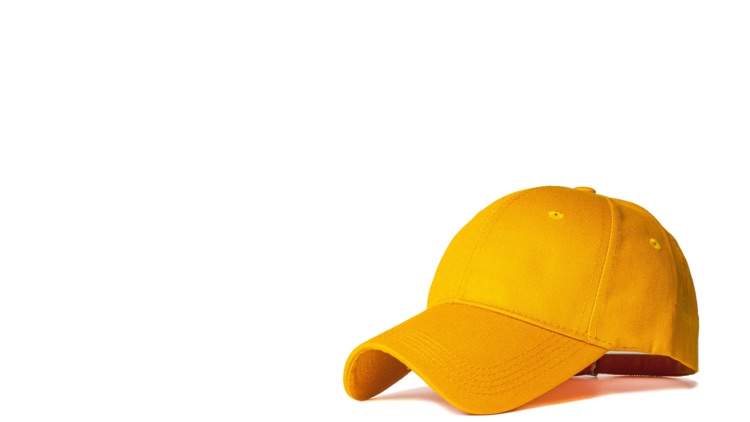
When buyers search for premium custom hats, they often use well-known brand names as shorthand. They are not always asking for the official branded product. In many cases, they are trying to describe a level of quality: a structured fit, clean front panel, technical fabric, water resistance, sharp decoration, and a retail-ready look that works for golf, outdoor, corporate, or lifestyle programs.
The distinction matters. Melin is a brand, and official branded custom orders should go through authorized Melin channels. If a company wants private-label or OEM headwear, the safer approach is to define the performance features and visual standards it wants. Buyers researching custom melin hats should think in terms of premium performance hat sourcing, not imitation branding.
Why Buyers Use Brand Names as Quality Signals
In headwear sourcing, buyers do not always know the technical language for what they like. They may see a premium cap in a pro shop, golf event, resort store, or corporate gift kit and want something with a similar standard. Search terms become shortcuts for fit, finish, and feel.
The real buying question is not “Can a factory copy a brand?” It is “Can a manufacturer build a premium custom cap with the right structure, fabric, decoration, and packaging for our own brand?”
That question is much easier to answer and much safer to source.
What Makes a Performance Hat Feel Premium?
A premium performance cap starts with the body material. Buyers often look for light but stable fabric, water resistance, quick-dry behavior, UV protection, and enough structure to keep the crown shape. The fabric should not feel flimsy, shiny in the wrong way, or too stiff for active use.
The crown construction also matters. A high-end cap usually needs a clean front panel, smooth seam alignment, consistent curve, and a shape that holds up after packing. If the crown collapses, puckers around the logo, or looks uneven from the side, the cap will not feel retail-ready.
The sweatband is another detail buyers often miss. Moisture-wicking bands, soft inner tape, and stable stitching can change the wearing experience. For golf, resort, running, fishing, and outdoor brands, comfort is not a bonus feature. It is part of the product.
Fit System and Use Case
Not every premium hat should use the same closure. A snapback may work well for casual retail and events. A stretch-fit cap can feel more refined for performance or golf. A fitted cap may work for specific retail lines but adds inventory complexity. A rope detail can give a golf or resort cap a stronger style signal.
Before sampling, buyers should decide who will wear the cap and where it will be sold or used. A tournament giveaway, a paid retail product, a team uniform, and an executive gift have different requirements. The same logo on the same fabric can feel cheap or premium depending on the fit, panel shape, and decoration method.
Decoration Is Where Many Caps Fail
Premium custom headwear needs decoration that matches the fabric and brand position. Standard embroidery can work, but it may not be the best choice for every performance fabric. Dense embroidery can pull the front panel, create puckering, or feel too heavy on lightweight caps.
Other options include woven patches, silicone patches, TPU patches, rubber labels, leather patches, heat transfers, and mixed techniques. Each option has tradeoffs. A silicone patch can look modern and technical. A woven patch can hold fine detail. A leather patch can suit lifestyle or resort positioning. A heat transfer may be clean and light, but it must be tested for durability.
Do not approve decoration from a digital mockup alone. Ask for a physical sample, close-up photos, and wear or wash guidance when relevant.
Sampling Should Test the Real Product
A premium hat program should not rush from concept to bulk production. The sample should test fabric hand feel, crown shape, logo size, panel stability, closure comfort, color accuracy, sweatband quality, and packaging. If the cap will be used outdoors, ask about water resistance, quick-dry performance, ventilation, and UV-related fabric options.
Buyers should also check how the cap looks after shipping. Some caps look good on a table but deform in cartons. Ask how the supplier will pack structured hats, protect the crown, separate colors, and label cartons for warehouse handling.
Questions to Ask a Manufacturer
Before placing an OEM order, ask practical questions:
- Which fabrics are recommended for golf, outdoor, or activewear caps?
- Can the supplier make a structured front panel without puckering?
- Which decoration methods work best on the selected fabric?
- What is the MOQ by style, color, and logo method?
- How many sampling rounds are included?
- What tests or inspections are available before shipment?
- Can the supplier provide packing photos and pre-shipment approval?
The answers reveal whether the supplier understands premium headwear or is only quoting a basic cap with a high-end description.
Ethical Sourcing Advice
If you need real Melin-branded custom hats, use official or authorized programs. If you need premium private-label performance hats, describe the product standard you want without using another brand’s marks on the final goods. A capable OEM supplier can help translate your target look into your own materials, structure, colors, decoration, and packaging.
That approach protects your brand and usually produces a better product. Instead of trying to copy a known name, you build a cap that fits your audience, margin, and distribution channel. For corporate gifting, golf retail, resort merchandise, and outdoor programs, that is the difference between a hat people keep and a hat they forget.